From August 5 to September 1, 2024, Aleph, Ciudad de Crecimiento, was the country's first pop-up city: four weeks in which the movement that had been brewing since February came together for the first time in one neighborhood of Buenos Aires, to work on making Argentina the crypto capital of the world.
The venue combined a coworking space exclusively for startups and mentors, coworking areas open to the whole crypto community, builder houses for living together, a wellness center, a café and a social commons for cultural life. And the experience itself ran on crypto rails: NFT ticketing, digital credentials, proof of attendance and crypto-native payments. The idea was to show the future by using it.
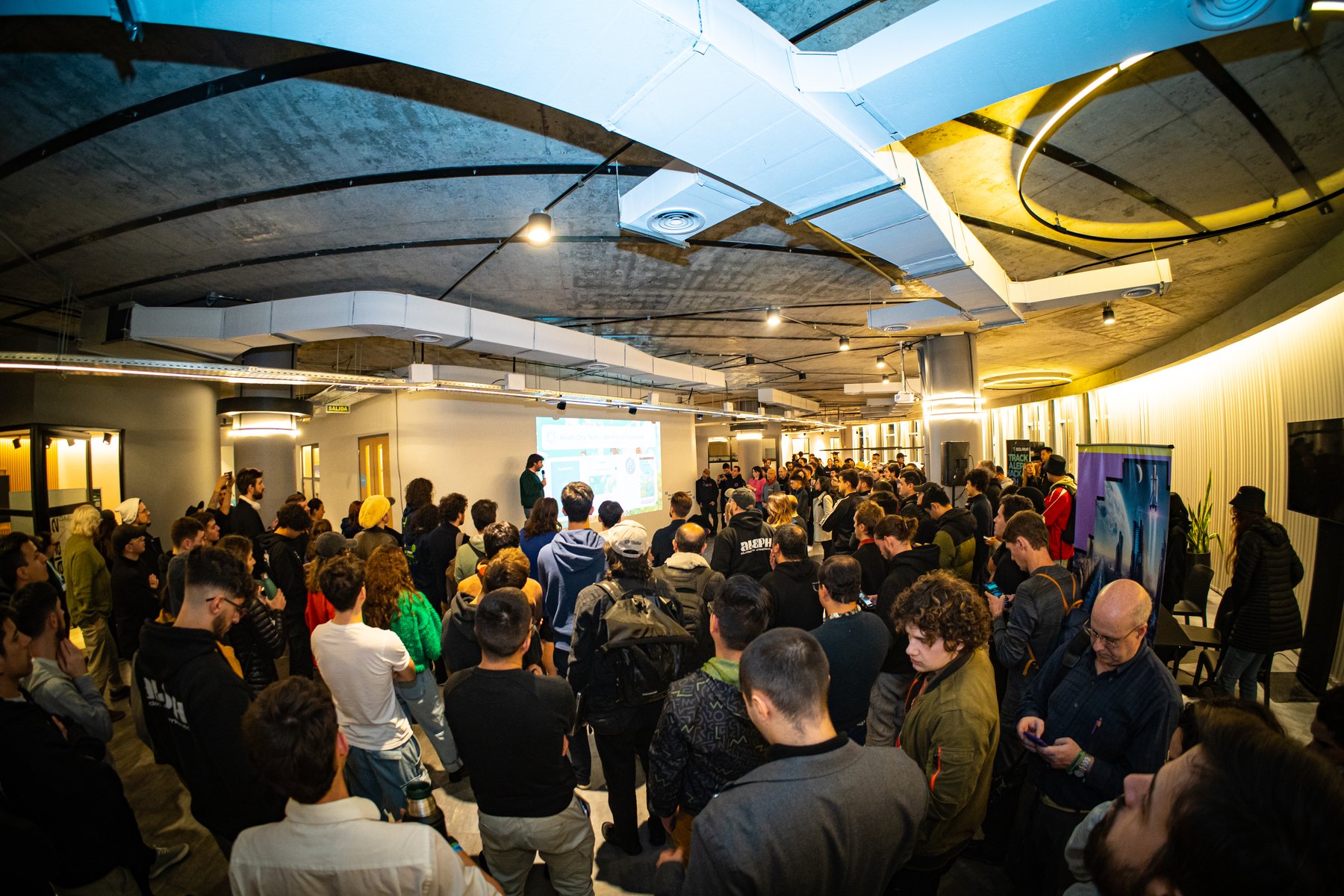
The focus of that first edition was exclusively crypto, with tracks on DeFi, privacy, infrastructure and governance. But what made Aleph different from a conference were the other tracks: startups, wellness, Argentine culture and the community events, activities proposed and organized entirely by the community itself.
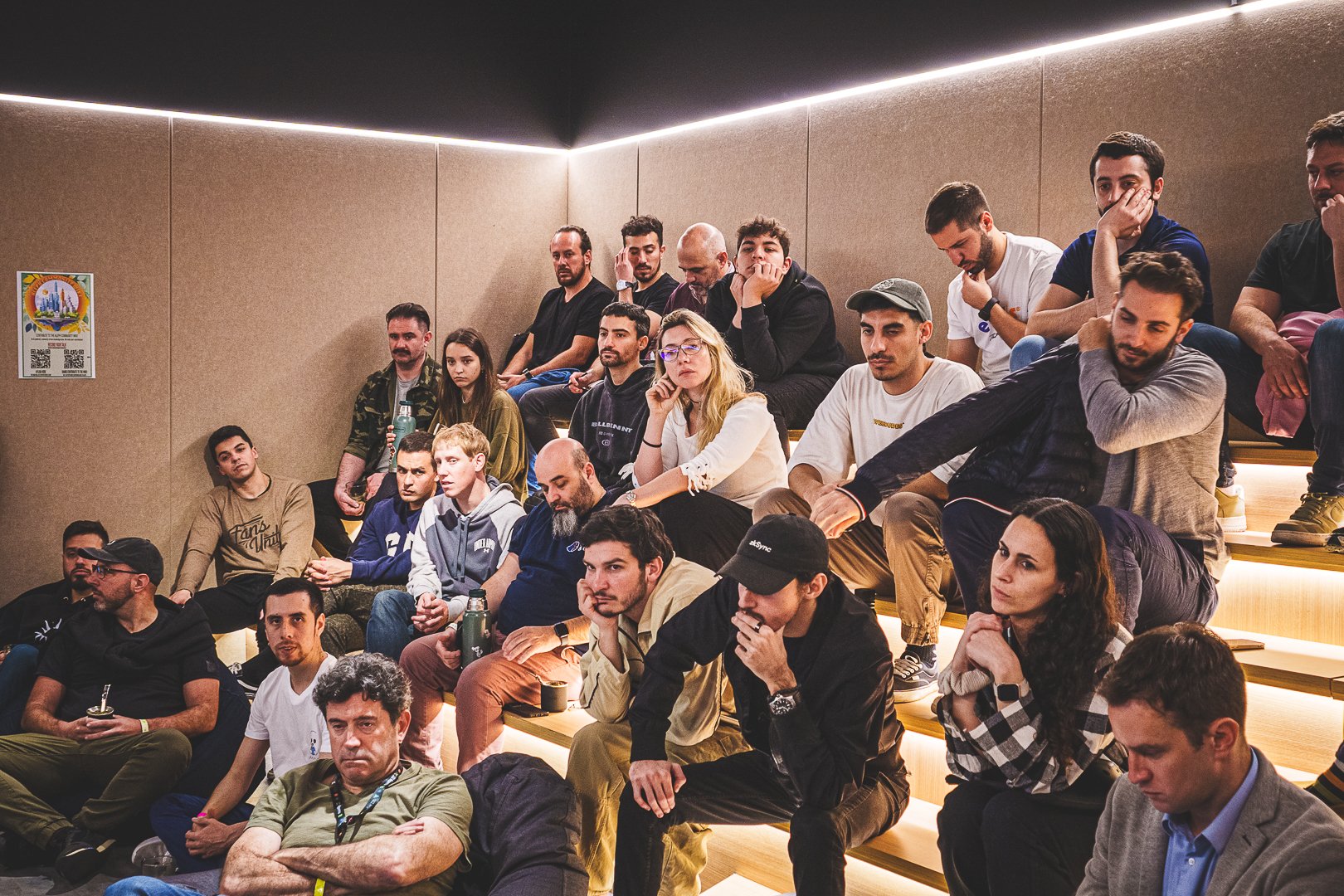
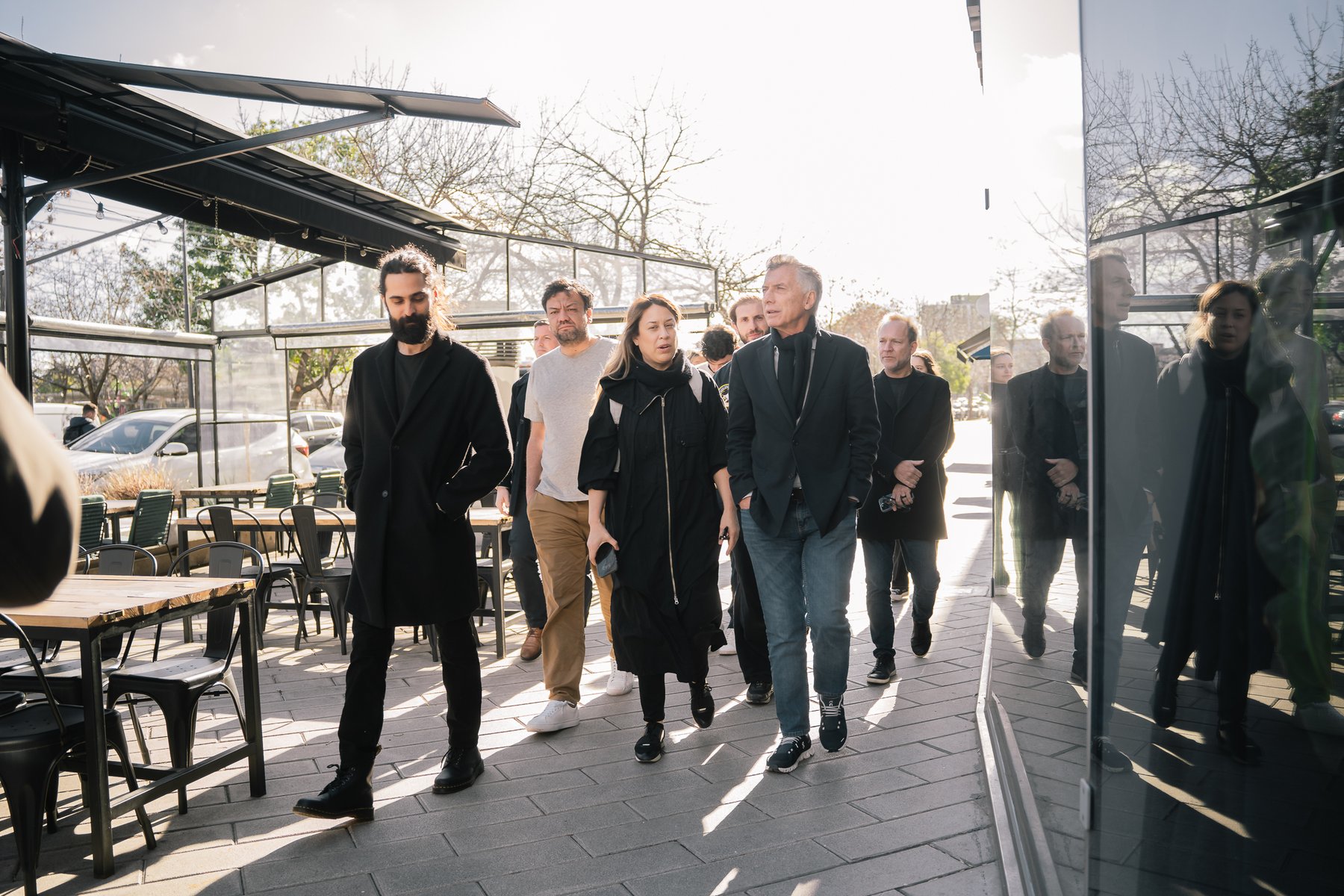
The numbers of that month: more than 3,000 attendees, 70 startups, the first Aleph Hackathon with 300 hackers and prizes worth more than 100 thousand dollars, ZK City (a zero-knowledge cryptography bootcamp) with 70 students, and more than 30 activities, mostly organized by the community. It was also the debut of Regulation Day, at the time the largest public-private Web3 event held in the country, with the participation of Roberto Silva, president of the National Securities Commission. And figures like Jorge Macri, Mauricio Macri and Demián Reidel came through the pop-up.
The place was no accident. Buenos Aires had been a crypto cradle since 2013: Voltaire House, a house in Palermo, was the gathering spot of the country's first generation of builders, the same one that produced Ripio, SatoshiTango, Xapo, RSK, Decentraland and OpenZeppelin. Aleph did not invent that community. It gathered it, for the first time, in a single point.
The month closed with the startups on stage: 32 teams that went through four weeks of mentorship and acceleration programs pitched at the closing Demo Day. The pitches are recorded, one by one, and you can watch them right here: