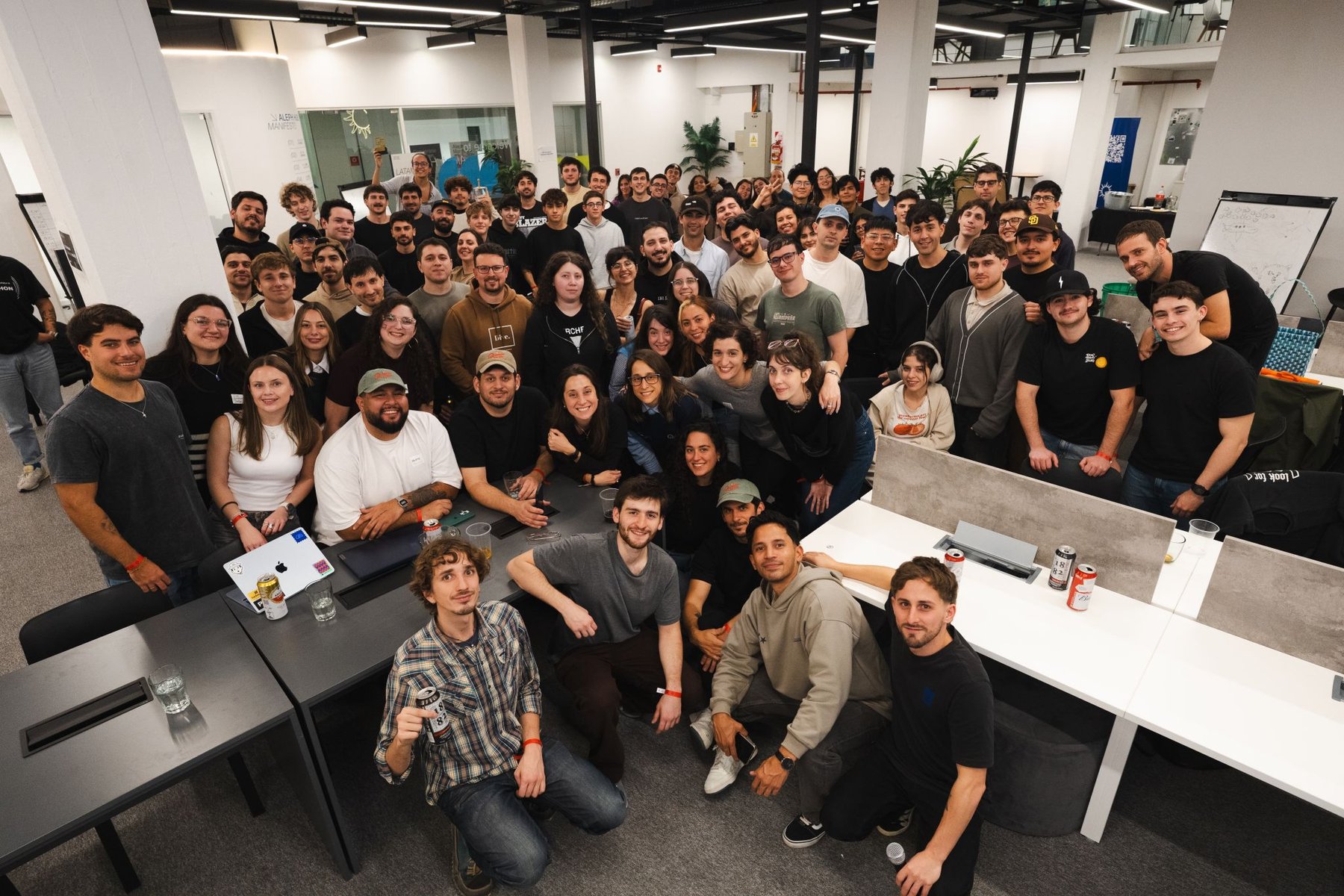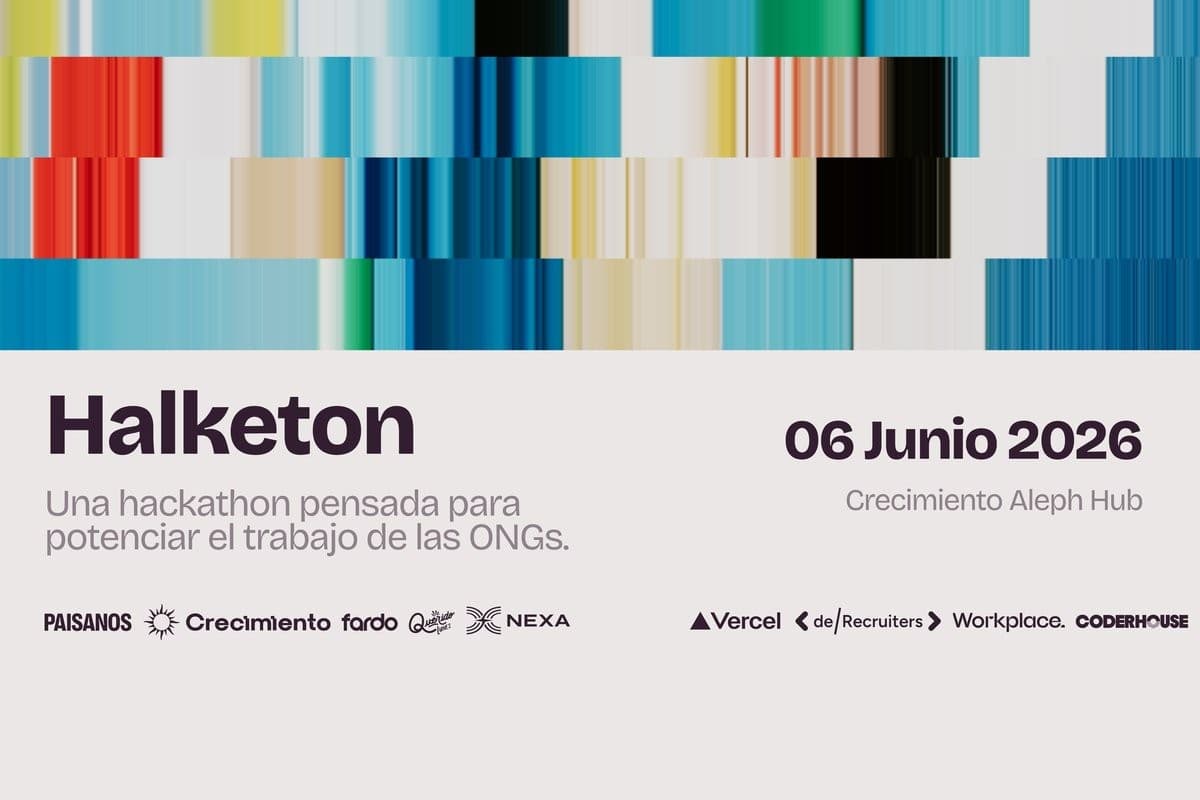
Halketon was the first edition of Crecimiento's social impact hackathon, organized alongside Querido Lunes, fardo and Paisanos. In June 2026, more than 90 people, supported by technical mentors and mentors from social organizations, had 12 hours to build tools solving real problems for the 18 Argentine NGOs that joined the initiative.
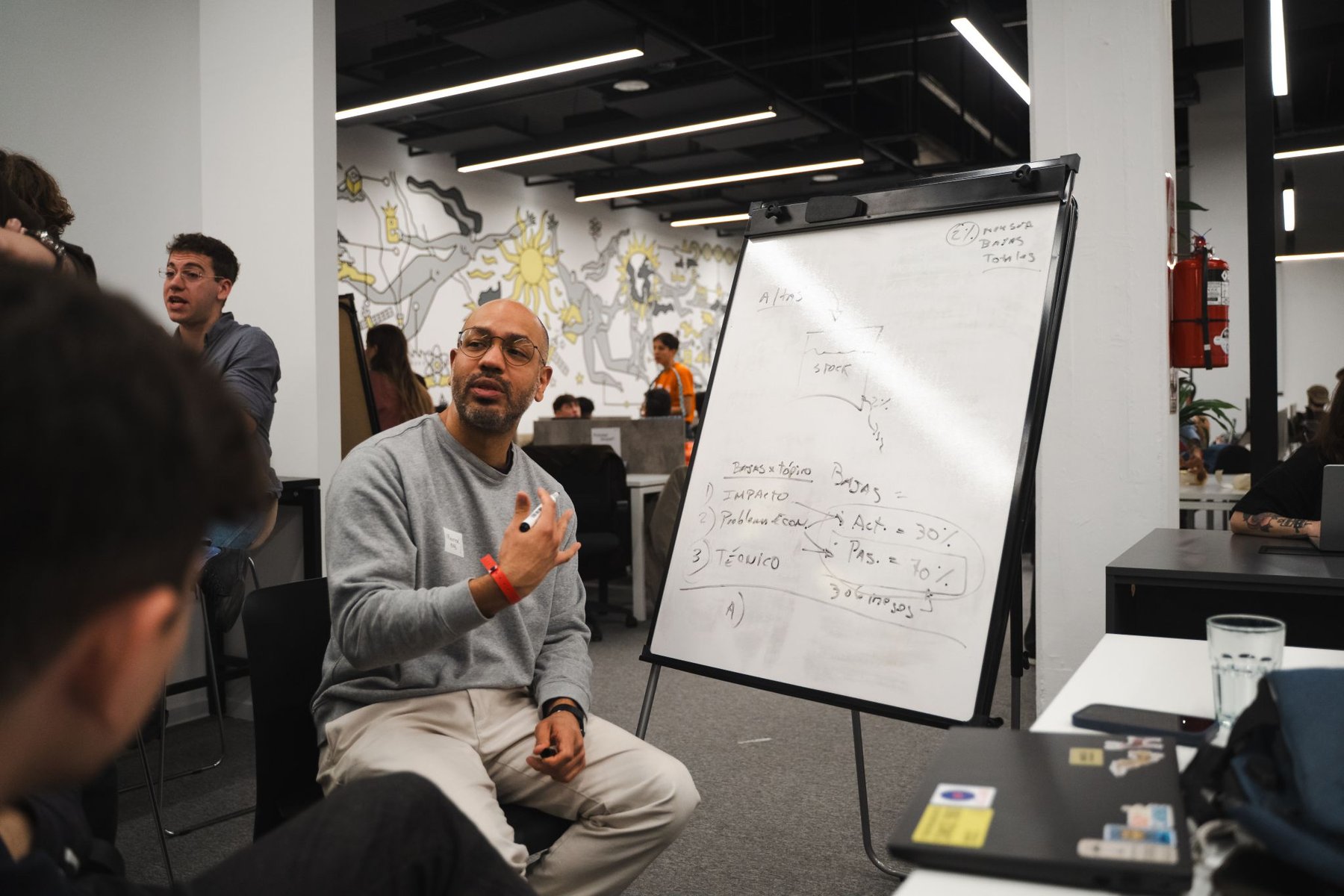
The work started long before the event: 16 interviews with Argentine civil society organizations, between late April and early May 2026, out of which came the three hypotheses that shaped the tracks. Coordination and internal memory: how to help small, overloaded, distributed teams coordinate tasks, decisions and deadlines without depending on a thousand tools or a single person's memory. Donors and sustainability: how to attract, convert, retain and recover individual donors in a simple, careful and scalable way. Impact and reporting: how to record information on beneficiaries, activities and results during everyday work, to generate evidence of impact without rebuilding everything by hand.
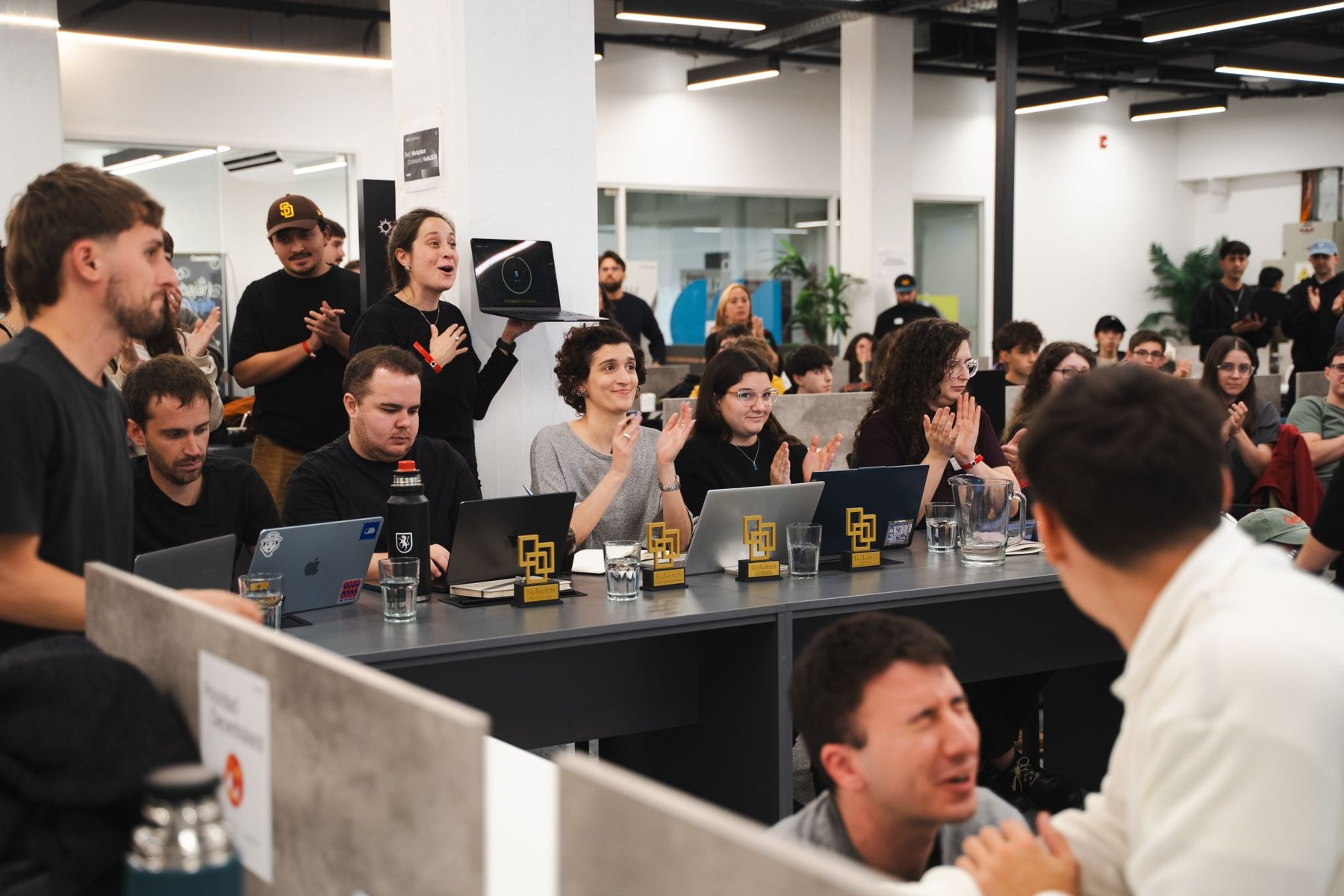
Each winning project took its track:
- Aurora: shared memory for NGOs supporting oncology patients. It imports WhatsApp conversations and turns them into patient records: it centralizes histories, avoids duplicates and makes follow-up easier across teams.
- Acelera: an e-commerce plugin that rounds the cart total up and donates the difference to an NGO. Its argument: Argentina sees more than 21 million online purchases per month.
- Fidetech: a tool to track the real impact on beneficiaries. Through WhatsApp, the user asks who to interview, sends an audio summary of the visit and receives an analysis with a score and observations; the dashboard generates AI reports in natural language.
- Polen: a tool to search, apply for and follow up on grants. The organization uploads its information and documentation once, and Polen autocompletes the application forms.
The hackathon's logic, applied to the problems of the organizations that help.