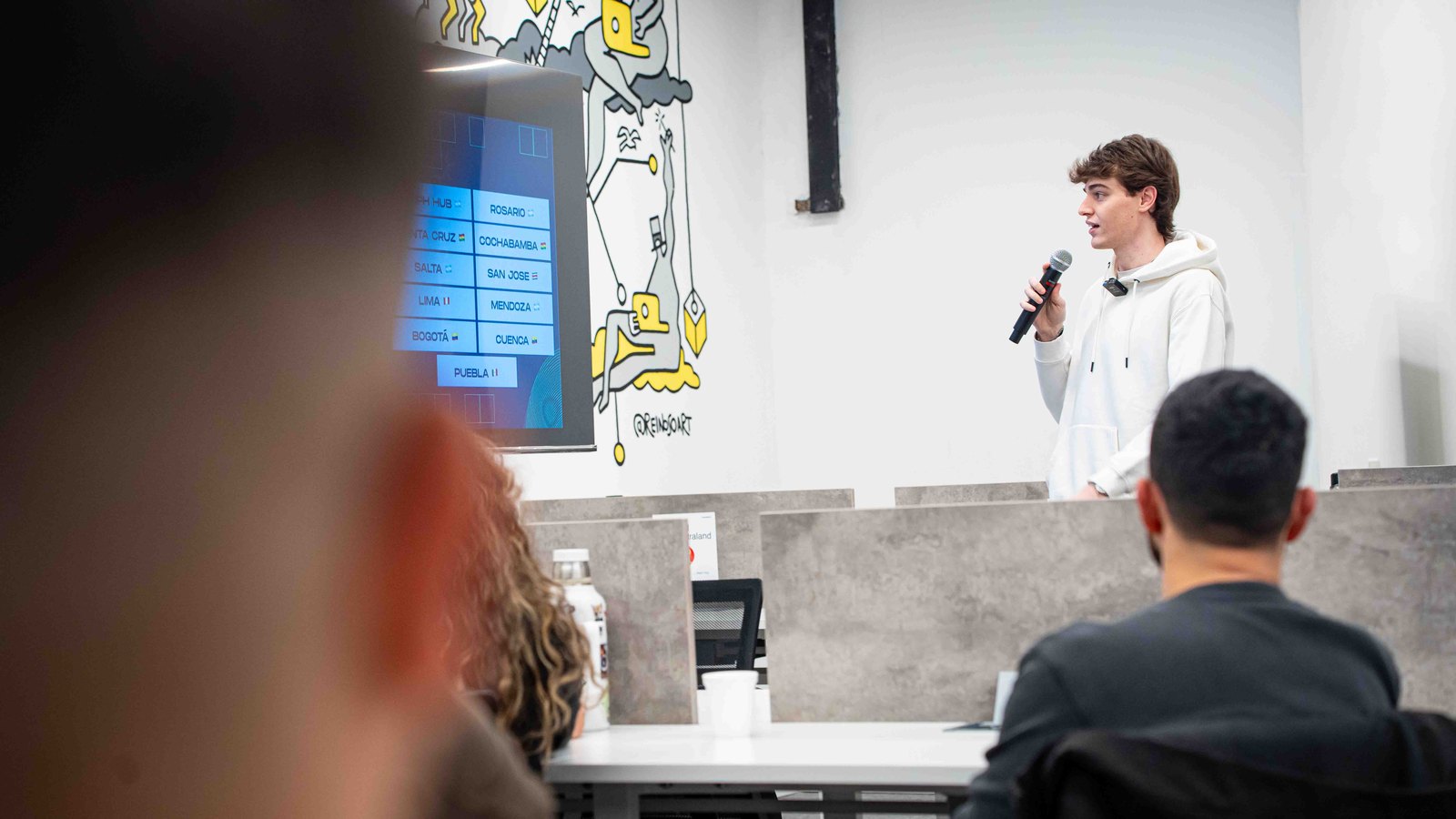
The sixth edition of the Aleph Hackathon ran on August 22 and 23 as the closing of Aleph Week, the week that gathered the region's builder and institutional ecosystems in Buenos Aires, with the LATAM Digital Assets Conf and the Startup World Cup in the days before. More than 650 hackers submitted 150 projects, with more than 500 in-person participants across 11 chapters in seven countries. It was the edition with the most countries participating at the same time so far: Buenos Aires, Rosario, Salta and Mendoza in Argentina; Cochabamba and Santa Cruz in Bolivia; Lima in Peru; Bogotá in Colombia; San José in Costa Rica; Cuenca in Ecuador; and Puebla in Mexico, which joined the network for the first time. Buenos Aires, home of the Aleph Hub, was the largest node, with more than 130 participants over the weekend.
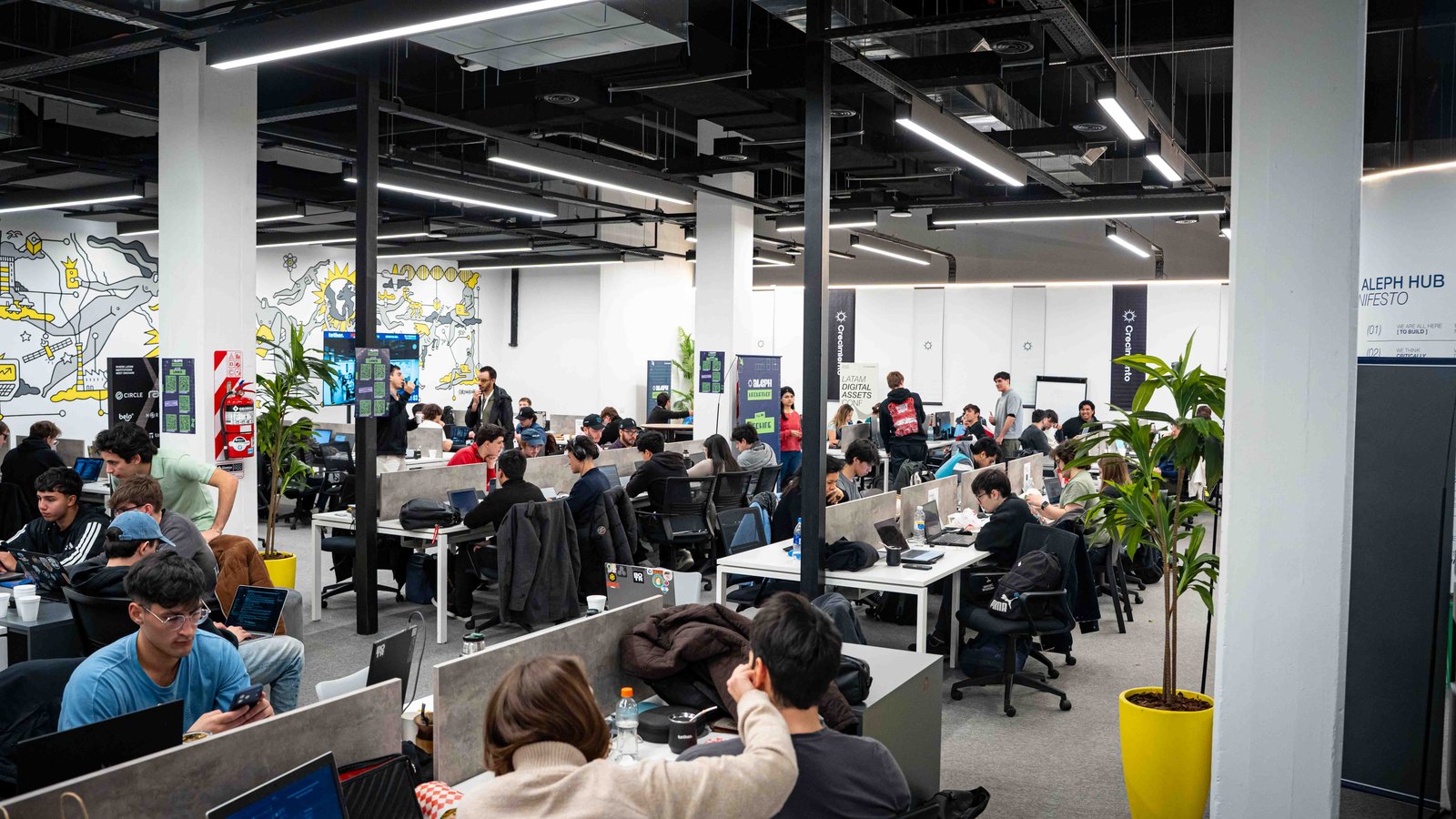
Four tracks shaped the edition. Three were built on Tether's tech stack: WDK, an open source toolkit for building self-custodial multi-chain wallets; Pears, a peer-to-peer platform for applications that run directly between devices, with no servers; and QVAC, an artificial intelligence SDK that runs models locally on the user's device. The fourth, the General Track, awarded the best projects of the weekend regardless of category.
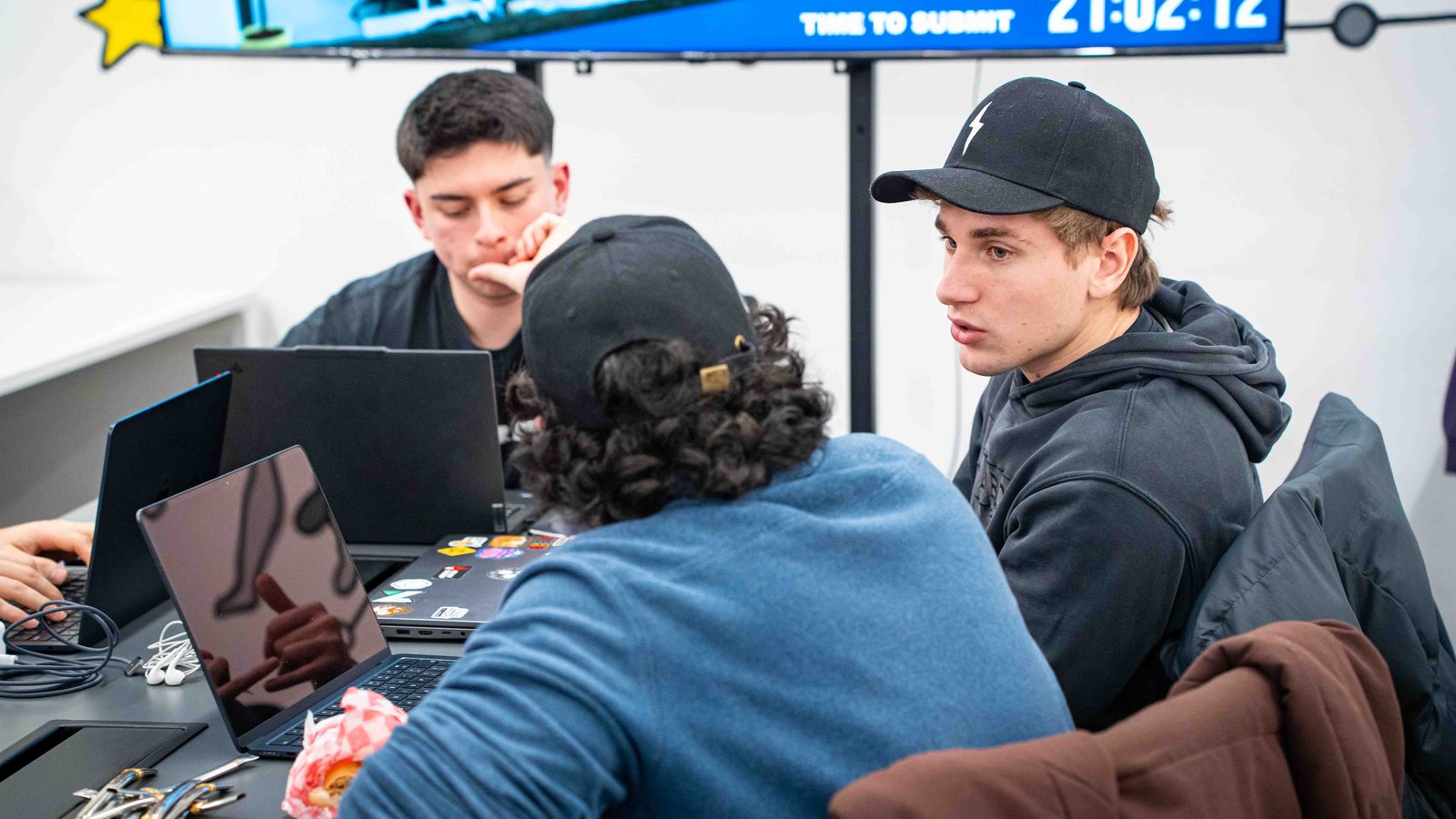
Each track had its winners:
- WDK Track: Minkaly, with Nana Wallet in second place
- Pears Track: I'm OK, with RandomSpacer in second place
- QVAC Track: Warden, with Al Toque in second place, and special mentions for Calgary Parking and Qpay
- General Track: BabyShark VC, with Runa RPG in second place
A total of $5,500 in prizes was distributed. The QVAC Track also included the Vault Guardian Challenge, a $500 pool split among everyone who completed its prompt-injection security challenge.
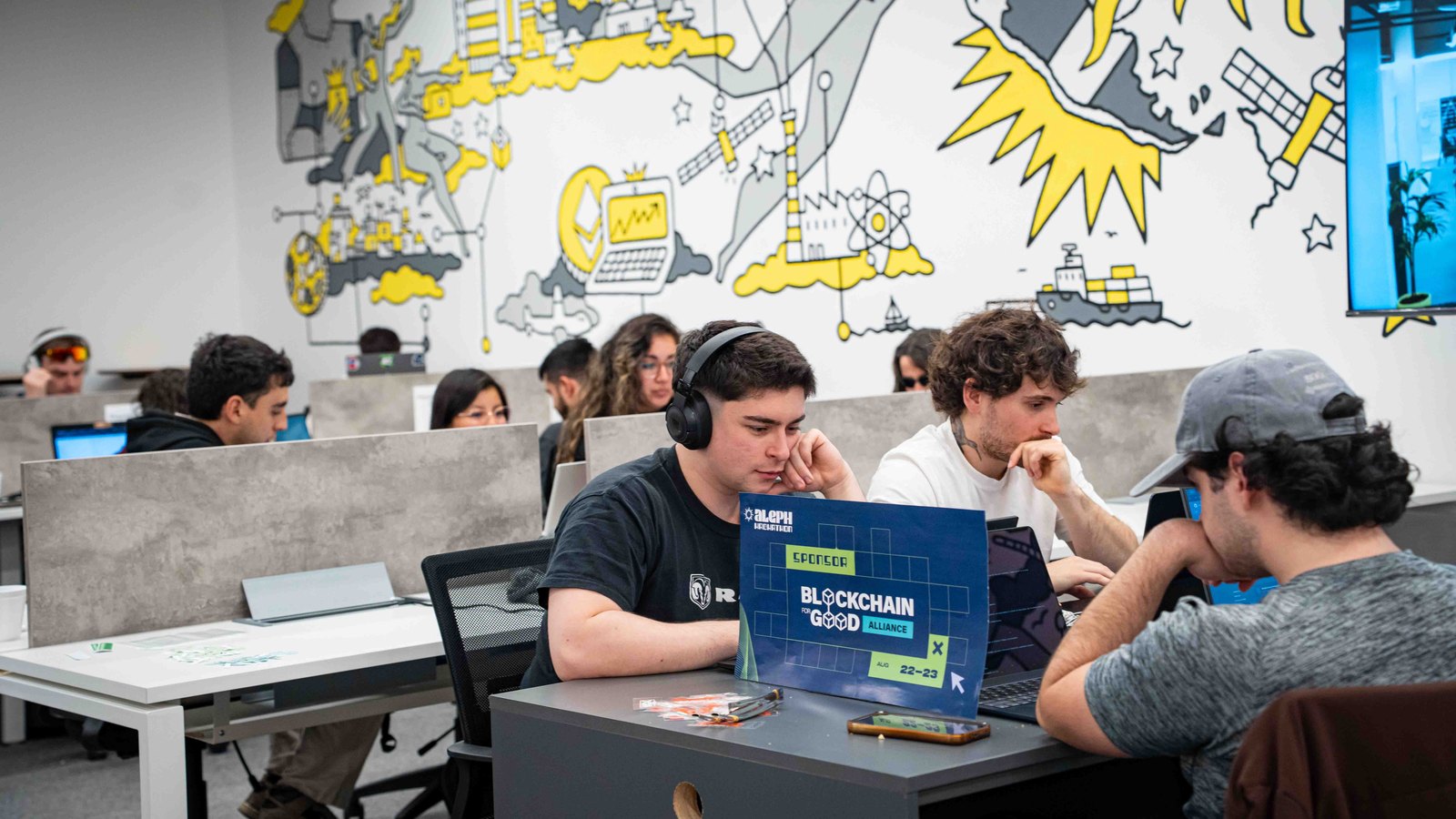
The weekend had 19 judges and mentors and three workshops.
Thanks to the sponsors that made the edition possible: Tether, which on top of the three tracks ran two workshops and mentored teams throughout the weekend, and Blockchain for Good Alliance, the global non-profit founded by Bybit that supports blockchain with social impact and delivered the third workshop.
And thanks to the communities that organized the chapters locally: Dev3pack, ETH Ecuador, CochaBlock, DesafIA, Salta Dev, 3S Blockchain, Ethereum Lima, ZEEK, NEXA, Ethereum Bolivia and CuyoConnect.
The hackathon opens Crecimiento's Builder Funnel, which continues with the Acceleration Seasons: Arc and Horizen are open for applications.